

mnmazda
Administrator
Modern cars are undeniably faster, safer, and more capable than the vehicles that came before them. Affordable family sedans now offer acceleration that could rival the sports cars of the past. On the flipside, however, higher performance doesn’t necessarily equate to a more engaging driving experience. In fact, there’s an argument to be made that modern cars are less enjoyable to drive than their predecessors.
Bring a Trailer
1. The manual is on its way out
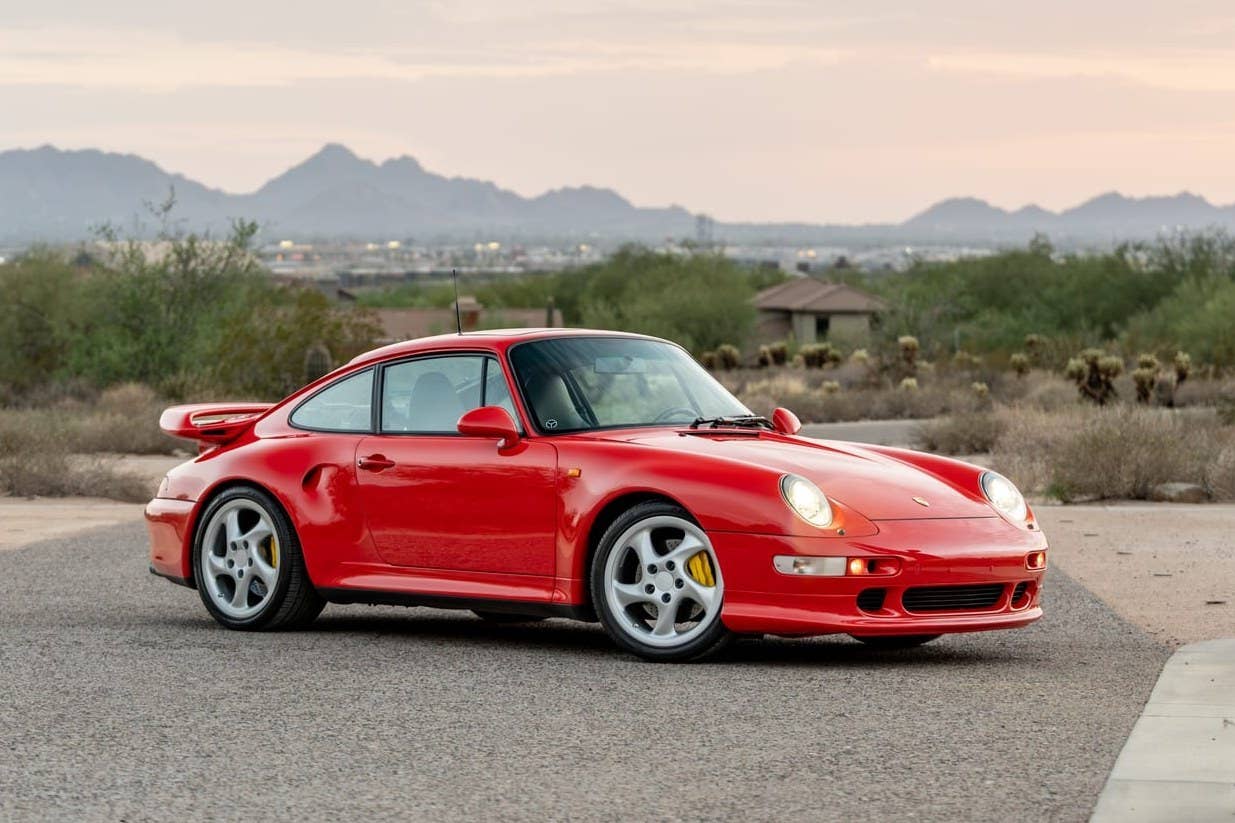
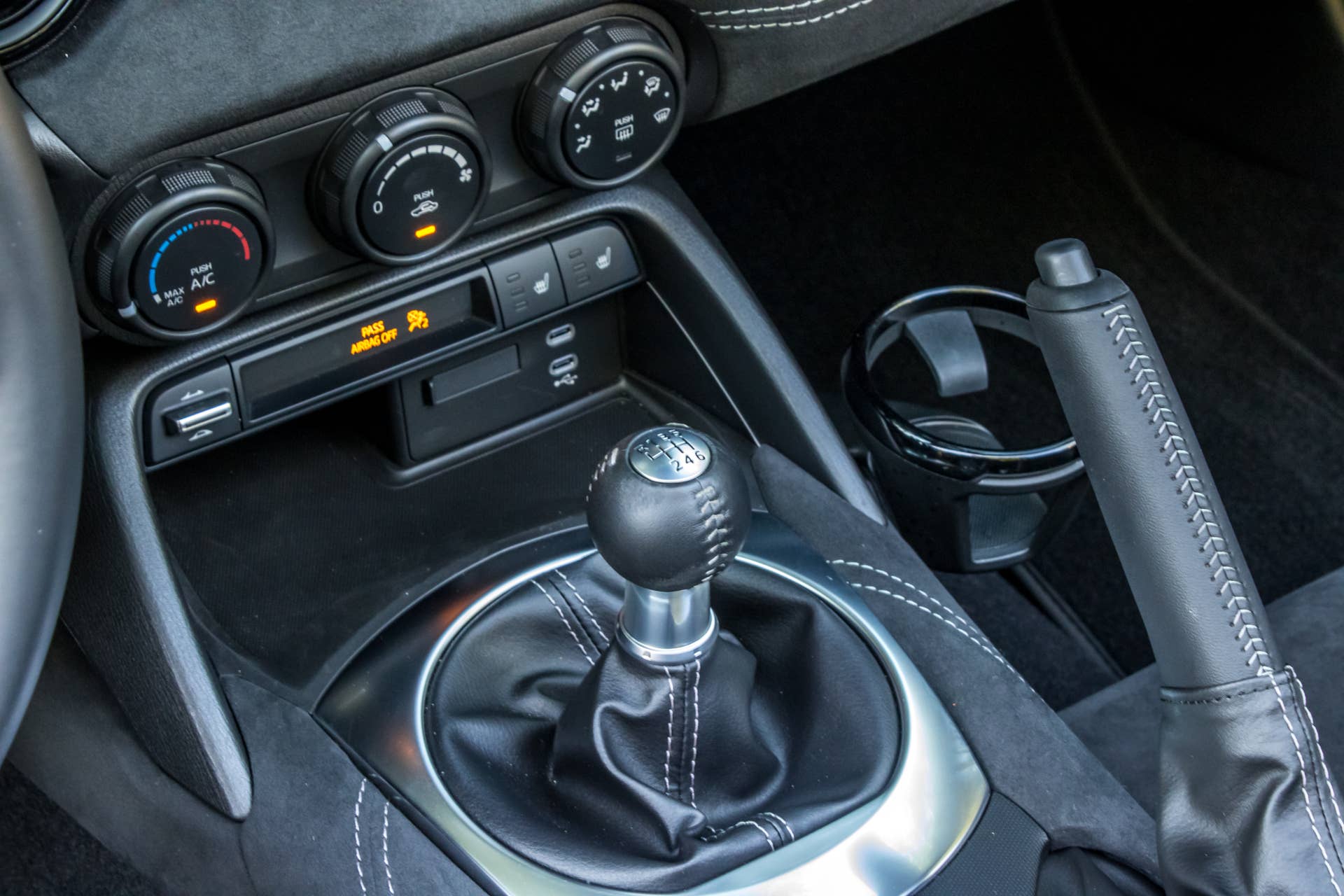
Automakers have been slowly phasing out manual transmissions in favor of more efficient automatic gearboxes for decades, and cars have become less engaging as a result. With a manual, every gear shift requires drivers to coordinate the clutch, throttle, and brakes. Automatic transmissions can still offer an engaging driving experience, but those who prefer a manual have fewer options to choose from than ever before.
Chase Bierenkoven
There’s no denying that modern automatic transmissions, particularly dual-clutch gearboxes, can shift gears quicker than all but the most highly skilled drivers. There’s more than getting to 60 mph as quickly as possible, though. Manual transmissions connect drivers directly to the car and, by extension, the road itself. While a dual-clutch automatic offers quick shifts, it simply can’t replace the engagement offered by a manual.
Thinking about selling your car? Get an instant cash offer online now. Click here to get started.
2. Modern vehicles weigh more
For the most part, all but a handful of vehicles are heavier than comparable models from decades past. There are several major factors that play into an increase in weight, ranging from safety to comfort and convenience. Electrification, for example, has plenty of benefits, but the weight of electric motors and battery packs directly impacts how a vehicle accelerates, corners, and brakes.
Chevrolet
Modern vehicles are significantly safer than older models, thanks in part to advanced crash-protection systems, reinforced structures, and additional airbags. While not exactly made up of heavy components individually, comfort and convenience features, like power-operated seats and panoramic sunroofs, have become a major factor in a vehicle’s weight as well. Automakers have implemented several solutions to account for heavier vehicles, including larger brakes and wider tires, but they can’t eliminate every disadvantage.
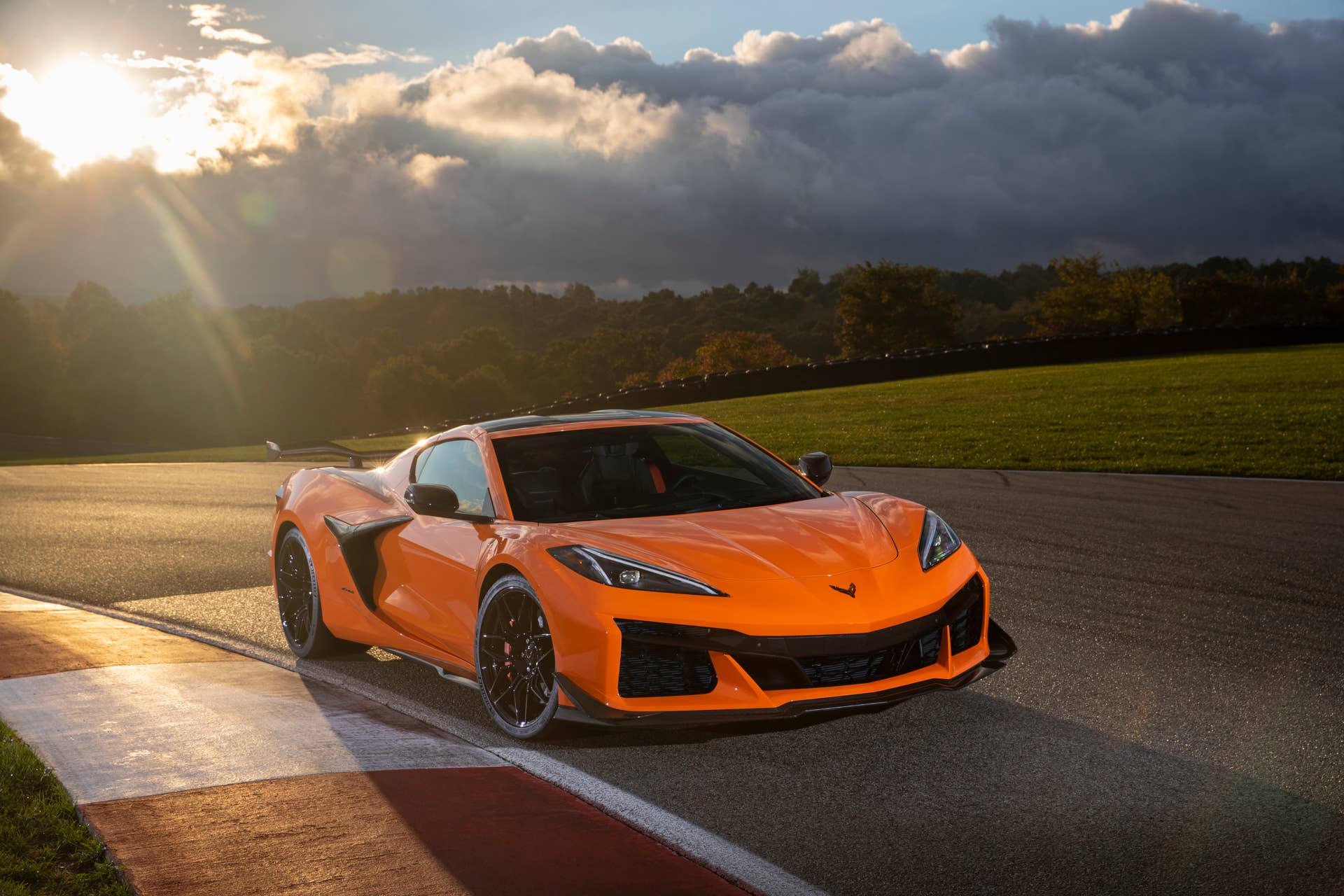
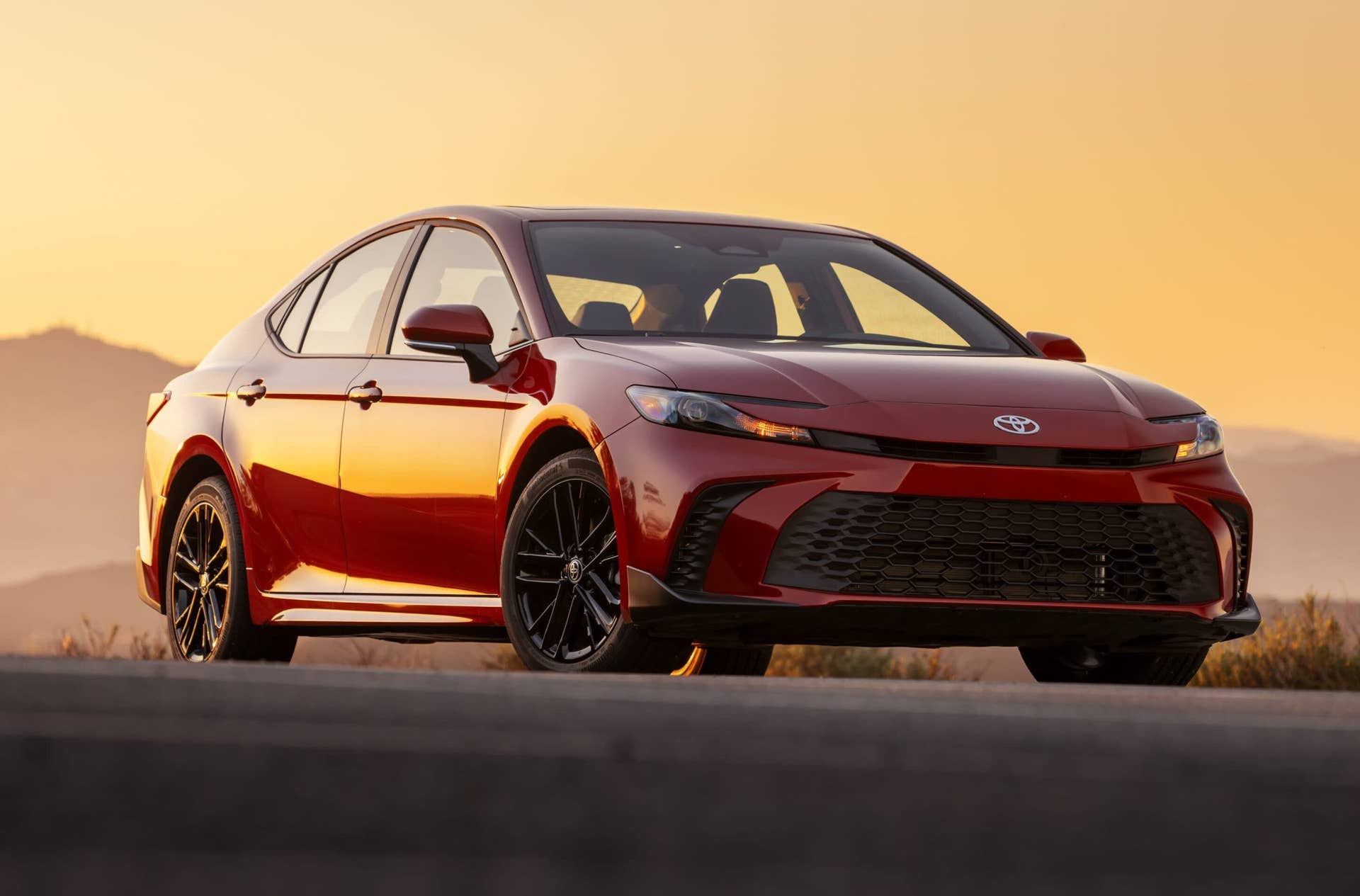
For example, when the C5 Corvette hit the market for the 1995 model year, the ZR1 trim weighed in at around 3,200 lbs. Fast forward three decades, and the 2026 Corvette ZR1 has gained upwards of 400 lbs., a significant amount for a sports car. As for more family-friendly vehicles, the 1995 Toyota Camry weighed in at 2,910 lbs. in its lightest configuration. In 2025, the lightest Camry, which came exclusively in hybrid form, weighed 3,450 lbs.
Toyota
3. Electronics play a larger role
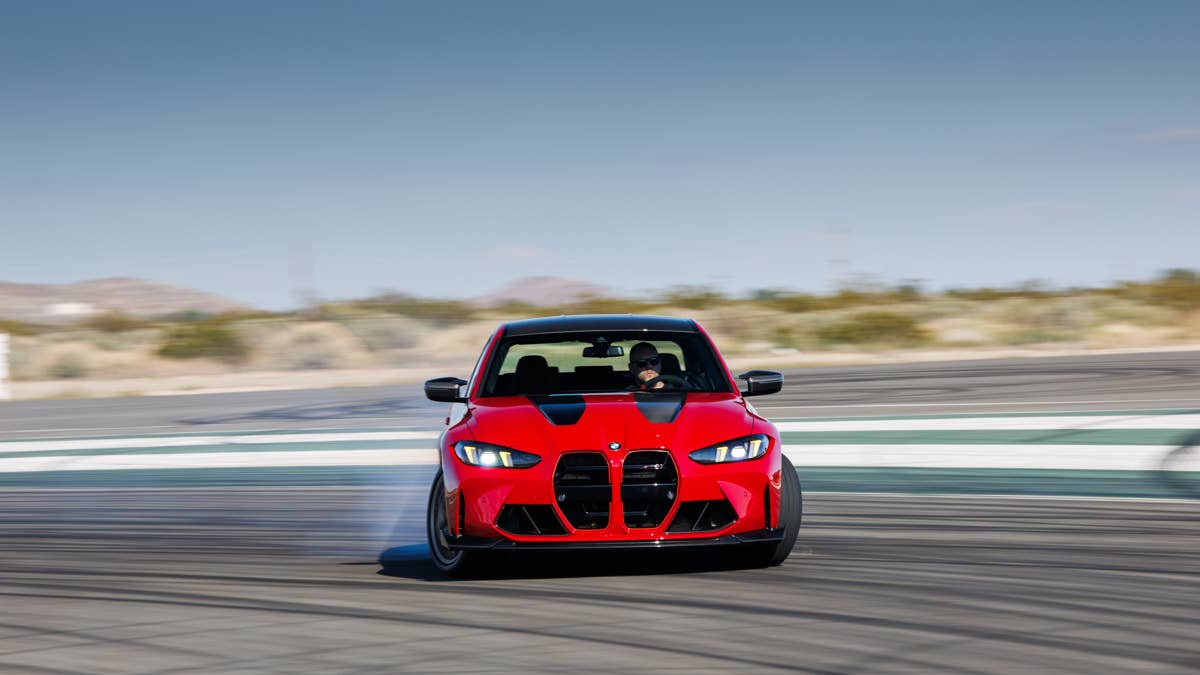
Many consumers have a love-hate relationship with the role that electronics play in modern vehicles. For some, electronics have made vehicles overcomplicated and hard to repair on your own. Objectively, they’ve also made vehicles safer, more predictable, and easier to drive. As a side effect, however, electronics have largely limited driver involvement in the actual act of driving.
BMW
Modern stability control and traction control, for example, are present in nearly every vehicle for a reason. They actively monitor vehicle behavior and can intervene when they detect wheelspin or a loss of traction. Prior to the implementation of electronics, drivers had to actively manage wheelspin, judge braking distances, and balance accelerating through corners. While electronics have undeniably made the roads a safer place, they can also make driving feel less rewarding.
Shopping for a new car? Click here to get a great deal on your next vehicle. Powered by Carvana, no haggle pricing, 100% online.
4. There’s such a thing as too much power
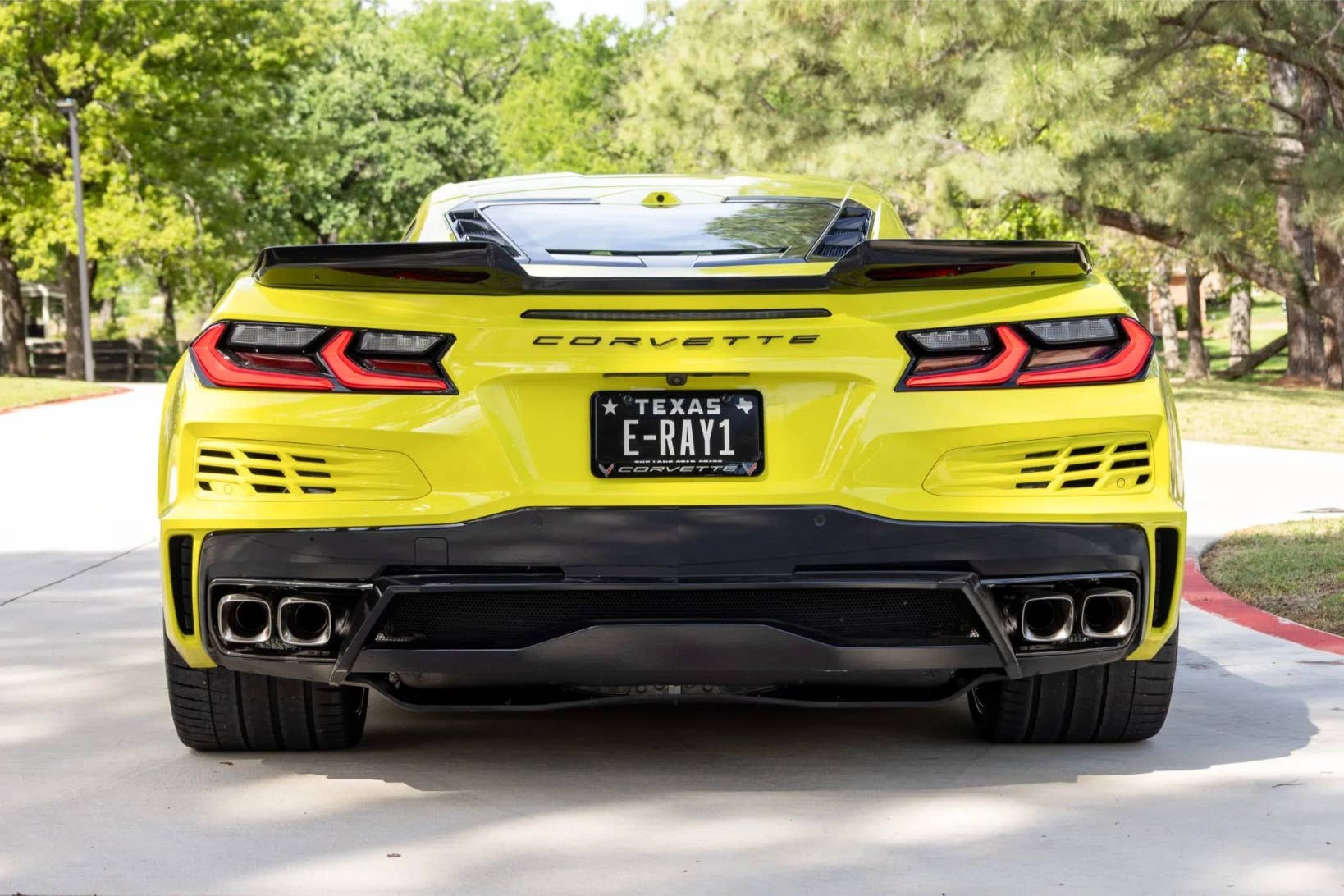
There’s such a thing as too much horsepower, but that hasn’t stopped automakers from pushing the limits of what a high-performance vehicle can achieve. It seems every manufacturer is implementing turbochargers, superchargers, and advanced engine management systems throughout their lineups. As a result, affordable performance cars can match the output of exotic nameplates from a few decades ago. Unfortunately, more power doesn’t necessarily equate to a higher level of enjoyment.
Bring A Trailer
Outside of a race track, accelerating beyond highway speeds often isn’t practical, let alone safe. High-performance vehicles may have exceptional output, but there’s often little opportunity to enjoy it. A vehicle with more modest performance, however, allows drivers to explore and experience the entire performance envelope.
Even affordable electric cars offer an enormous amount of power at a touch of the pedal. While their electric motors produce torque instantly, that much power often pushes the vehicle to illegal or dangerous speeds in just a few seconds. EVs make it clear that accelerating a few seconds quicker isn’t necessarily more fun, especially when driving on ordinary roads.
Mazda Roadster FSW Ver.2 (Mazda MX-5)
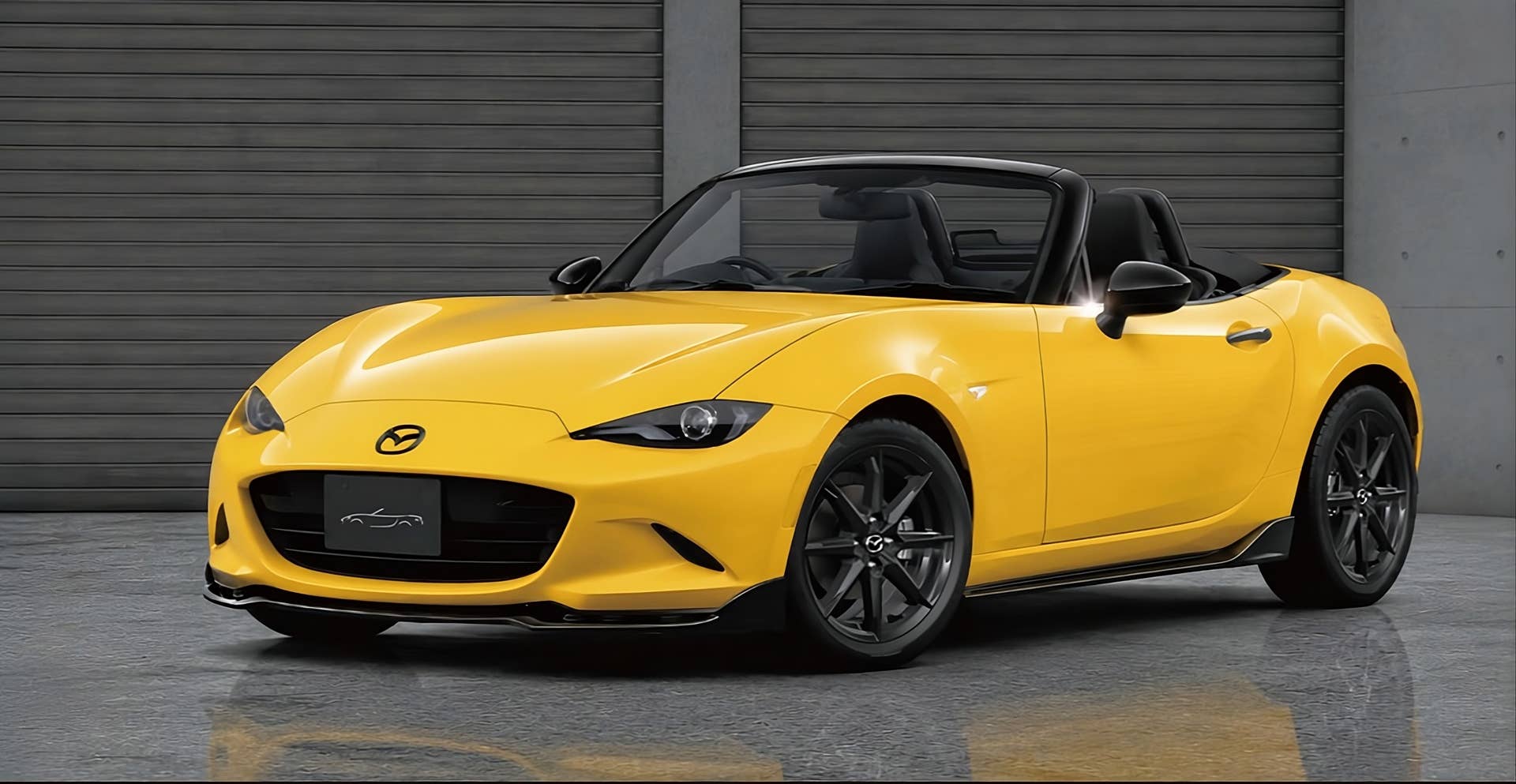
The Mazda MX-5 Miata serves as a prime example of a car that doesn’t offer insane performance specifications but is still plenty of fun to drive. The Japanese roadster keeps it simple, with a lightweight design and low horsepower, at least as far as sports cars are concerned, anyway. As a result, drivers can explore just what the car can do without putting passenger safety on the line.
Final thoughts
Bring a Trailer
Modern cars are faster, safer, and more capable than their predecessors, but those improvements don’t correlate to a more engaging driving experience. The declining availability of manual transmissions and a greater reliance on electronic assistance have largely reduced driver involvement. Fortunately, there are still several lightweight sports cars that can be optioned with manual gearboxes that insist on offering an engaging driving experience.
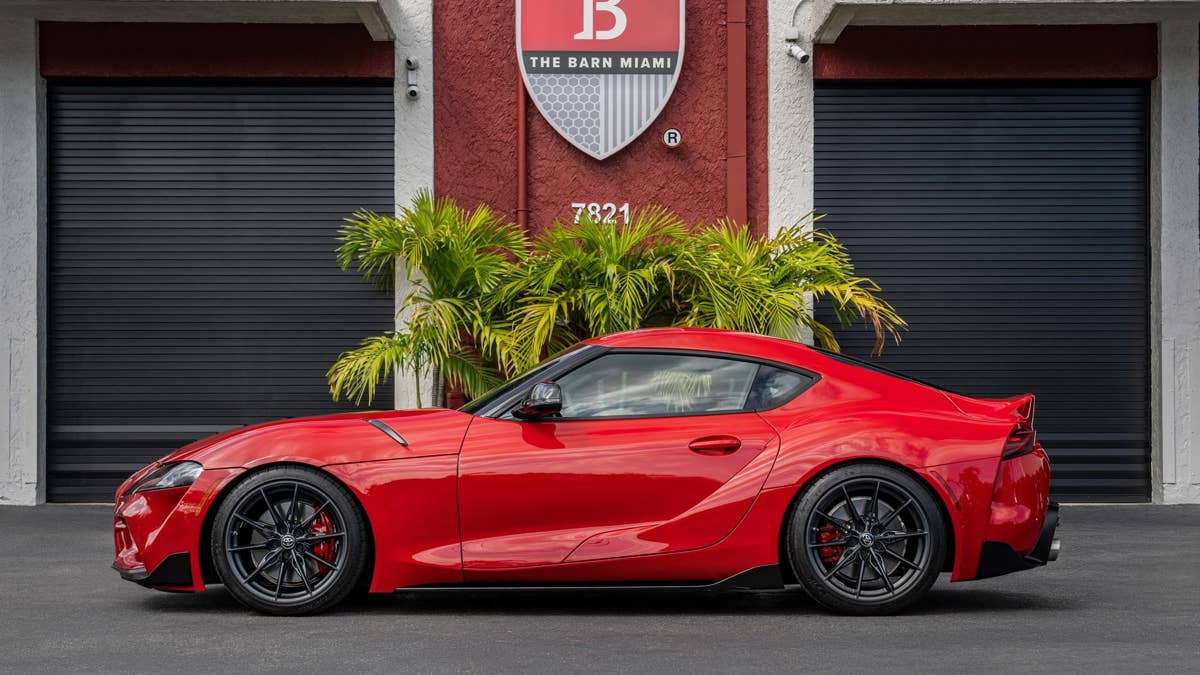
Models like the Mazda MX-5 Miata, Subaru WRX, and Toyota Supra prioritize handling and responsiveness over pure high-octane performance. In an industry where manufacturers are chasing after horsepower, it’s important to remember that the ideal driver’s car often isn’t defined by acceleration or lap times. After all, as James May of Top Gear once said, “It’s more fun to drive a slow car fast than a fast car slow.”
Disclaimer: Autoblog aims to feature only the best products and services. If you buy something via one of our links, we may earn a commission.
Continue reading...
Bring a Trailer
1. The manual is on its way out
Automakers have been slowly phasing out manual transmissions in favor of more efficient automatic gearboxes for decades, and cars have become less engaging as a result. With a manual, every gear shift requires drivers to coordinate the clutch, throttle, and brakes. Automatic transmissions can still offer an engaging driving experience, but those who prefer a manual have fewer options to choose from than ever before.
Chase Bierenkoven
There’s no denying that modern automatic transmissions, particularly dual-clutch gearboxes, can shift gears quicker than all but the most highly skilled drivers. There’s more than getting to 60 mph as quickly as possible, though. Manual transmissions connect drivers directly to the car and, by extension, the road itself. While a dual-clutch automatic offers quick shifts, it simply can’t replace the engagement offered by a manual.
Thinking about selling your car? Get an instant cash offer online now. Click here to get started.
2. Modern vehicles weigh more
For the most part, all but a handful of vehicles are heavier than comparable models from decades past. There are several major factors that play into an increase in weight, ranging from safety to comfort and convenience. Electrification, for example, has plenty of benefits, but the weight of electric motors and battery packs directly impacts how a vehicle accelerates, corners, and brakes.
Chevrolet
Modern vehicles are significantly safer than older models, thanks in part to advanced crash-protection systems, reinforced structures, and additional airbags. While not exactly made up of heavy components individually, comfort and convenience features, like power-operated seats and panoramic sunroofs, have become a major factor in a vehicle’s weight as well. Automakers have implemented several solutions to account for heavier vehicles, including larger brakes and wider tires, but they can’t eliminate every disadvantage.
For example, when the C5 Corvette hit the market for the 1995 model year, the ZR1 trim weighed in at around 3,200 lbs. Fast forward three decades, and the 2026 Corvette ZR1 has gained upwards of 400 lbs., a significant amount for a sports car. As for more family-friendly vehicles, the 1995 Toyota Camry weighed in at 2,910 lbs. in its lightest configuration. In 2025, the lightest Camry, which came exclusively in hybrid form, weighed 3,450 lbs.
Toyota
3. Electronics play a larger role
Many consumers have a love-hate relationship with the role that electronics play in modern vehicles. For some, electronics have made vehicles overcomplicated and hard to repair on your own. Objectively, they’ve also made vehicles safer, more predictable, and easier to drive. As a side effect, however, electronics have largely limited driver involvement in the actual act of driving.
BMW
Modern stability control and traction control, for example, are present in nearly every vehicle for a reason. They actively monitor vehicle behavior and can intervene when they detect wheelspin or a loss of traction. Prior to the implementation of electronics, drivers had to actively manage wheelspin, judge braking distances, and balance accelerating through corners. While electronics have undeniably made the roads a safer place, they can also make driving feel less rewarding.
Shopping for a new car? Click here to get a great deal on your next vehicle. Powered by Carvana, no haggle pricing, 100% online.
4. There’s such a thing as too much power
There’s such a thing as too much horsepower, but that hasn’t stopped automakers from pushing the limits of what a high-performance vehicle can achieve. It seems every manufacturer is implementing turbochargers, superchargers, and advanced engine management systems throughout their lineups. As a result, affordable performance cars can match the output of exotic nameplates from a few decades ago. Unfortunately, more power doesn’t necessarily equate to a higher level of enjoyment.
Bring A Trailer
Outside of a race track, accelerating beyond highway speeds often isn’t practical, let alone safe. High-performance vehicles may have exceptional output, but there’s often little opportunity to enjoy it. A vehicle with more modest performance, however, allows drivers to explore and experience the entire performance envelope.
Even affordable electric cars offer an enormous amount of power at a touch of the pedal. While their electric motors produce torque instantly, that much power often pushes the vehicle to illegal or dangerous speeds in just a few seconds. EVs make it clear that accelerating a few seconds quicker isn’t necessarily more fun, especially when driving on ordinary roads.
Mazda Roadster FSW Ver.2 (Mazda MX-5)
The Mazda MX-5 Miata serves as a prime example of a car that doesn’t offer insane performance specifications but is still plenty of fun to drive. The Japanese roadster keeps it simple, with a lightweight design and low horsepower, at least as far as sports cars are concerned, anyway. As a result, drivers can explore just what the car can do without putting passenger safety on the line.
Final thoughts
Bring a Trailer
Modern cars are faster, safer, and more capable than their predecessors, but those improvements don’t correlate to a more engaging driving experience. The declining availability of manual transmissions and a greater reliance on electronic assistance have largely reduced driver involvement. Fortunately, there are still several lightweight sports cars that can be optioned with manual gearboxes that insist on offering an engaging driving experience.
Models like the Mazda MX-5 Miata, Subaru WRX, and Toyota Supra prioritize handling and responsiveness over pure high-octane performance. In an industry where manufacturers are chasing after horsepower, it’s important to remember that the ideal driver’s car often isn’t defined by acceleration or lap times. After all, as James May of Top Gear once said, “It’s more fun to drive a slow car fast than a fast car slow.”
Disclaimer: Autoblog aims to feature only the best products and services. If you buy something via one of our links, we may earn a commission.
Continue reading...